

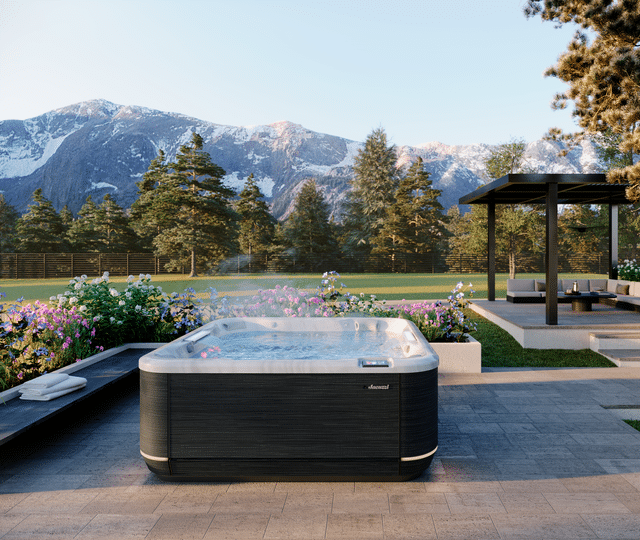
Choosing a hot tub involves more than selecting a size or design. The right combination of hot tub features can affect comfort, usability, maintenance, energy consumption, and how well the unit fits your outdoor space. Understanding the available features before making a purchase can help homeowners select a hot tub that matches their preferences, space, and lifestyle.
The most important hot tub features to consider include seating configuration, jet systems, water filtration, temperature controls, lighting, energy efficiency, covers, safety features, and smart technology. Buyers should also consider installation requirements, maintenance, warranty coverage, and long-term operating costs. Comparing models during hot tub sales can help homeowners evaluate features and determine which options provide the functionality they need.
Consider the Hot Tub Size
Size is one of the first factors to evaluate. Think about how many people will regularly use the hot tub and how much space is available in your backyard, patio, or deck. A larger model may provide more seating, while a smaller model can be easier to accommodate in a limited space.
Review the Seating Configuration
Hot tubs can have different seating layouts designed for various uses. Consider whether you prefer upright seats, lounge seats, corner seating, or a combination of configurations. The seating arrangement should provide enough space for the number of users while fitting comfortably within the available area.
Evaluate the Jet System
Jets are an important feature for many hot tub buyers. Different models can include various jet types, sizes, positions, and configurations. Consider whether the jet arrangement provides the type of water movement and targeted support you prefer.
Look at Jet Adjustability
Some hot tubs allow users to adjust the direction or intensity of individual jets. Adjustable jets can provide greater flexibility because different users may prefer different levels of water pressure or specific jet positions.
Consider Water Filtration
A suitable filtration system helps maintain water quality between routine maintenance sessions. Ask about the filtration technology, filter replacement requirements, cleaning process, and availability of replacement filters when comparing models.
Review Water Care Features
Modern hot tubs may include features designed to simplify water care. These can include circulation systems, water treatment technologies, filtration enhancements, and controls that help manage water quality. Consider how each system works and what ongoing maintenance it requires.
Check Temperature Controls
Temperature controls should be easy to understand and use. Look for a system that allows you to set and monitor the water temperature conveniently while maintaining consistent heating during use.
Consider Energy Efficiency
Energy efficiency can affect the ongoing cost of operating a hot tub. Consider insulation, the cover, heating system, circulation settings, and overall construction when comparing energy-related features.
Look at Hot Tub Insulation
Good insulation can help retain heat and reduce the amount of energy needed to maintain the desired water temperature. Ask manufacturers or retailers about the type and amount of insulation used in different models.
Choose a Quality Hot Tub Cover
A properly fitted cover can help retain heat, keep debris out, and provide an important safety function. Consider the cover’s insulation, durability, fit, weight, and ease of handling when evaluating a hot tub.
Consider Lighting Features
Many hot tubs include interior lighting that can improve visibility and create a comfortable atmosphere. Look at the number, placement, brightness, and control options for lighting when comparing models.
Review Waterfall and Water Features
Some hot tubs include waterfalls, fountains, or other water features. These can add visual interest and create additional water movement. Consider whether these features are important to you and how they may affect maintenance.
Consider Audio and Entertainment Features
Some hot tubs offer built-in speakers, Bluetooth connectivity, or other entertainment features. If you plan to spend extended periods in the hot tub, consider whether these options add useful functionality to your experience.
Look for Smart Controls
Smart technology can make it easier to monitor and control certain hot tub functions. Depending on the model, you may be able to adjust temperature settings, lighting, filtration, or other functions through a digital control system or compatible mobile application.
Check the Control Panel
The control panel should be easy to read and operate. Consider the display, button layout, menu structure, and accessibility when comparing different models.
Consider Safety Features
Safety should be part of every hot tub purchasing decision at an outdoor living store. Look for features such as secure covers, slip-resistant surfaces, appropriate access points, and controls that help prevent unintended operation.
Review the Hot Tub Construction
The shell, frame, cabinet, plumbing, and insulation all contribute to the overall construction of a hot tub. Ask about the materials used and how they are designed to perform in an outdoor environment.
Consider the Hot Tub Shell
Hot tub shells are available in different materials, colors, and finishes. Consider durability, appearance, cleaning requirements, and how the shell will complement the surrounding outdoor area.
Check the Pump and Heating System
The pump and heating system influence water circulation, jet performance, and temperature control. Ask about the system’s specifications, energy requirements, servicing needs, and replacement considerations.
Consider Maintenance Requirements
Before purchasing, understand how much routine maintenance the hot tub requires. Ask about water testing, cleaning, filter care, draining, refilling, and servicing so you know what ongoing care will involve.
Review Warranty Coverage
Warranty coverage can vary between manufacturers and models. Review what is covered, how long coverage lasts, and whether different components have separate warranty periods.
Consider Installation Requirements
Hot tubs can require specific electrical connections, a suitable base, adequate drainage, and sufficient access for delivery. Confirm these requirements before purchasing to make sure your intended location is appropriate.
Plan for Delivery Access
Measure gates, pathways, doors, and other access points leading to the installation area. Understanding delivery requirements in advance can help prevent logistical problems when the hot tub arrives.
Compare Hot Tub Features During Hot Tub Sales
When reviewing hot tub sales, avoid focusing only on the purchase price. Compare the features, construction, warranty, installation requirements, maintenance needs, and expected operating costs of each model. A lower initial price may not provide the combination of features that best suits your long-term needs.
What About Jacuzzi Hot Tubs?
Jacuzzi hot tubs are one category buyers may encounter when researching different models and features. When considering a specific brand or product line, evaluate the same factors you would use for any hot tub, including size, seating, jets, filtration, energy efficiency, controls, maintenance, warranty, and installation requirements.
Create a Hot Tub Feature Checklist
Before visiting a retailer or comparing models, make a checklist of the features that matter most to you:
- Number of seats
- Seating configuration
- Jet types and placement
- Water filtration
- Water care system
- Temperature controls
- Energy efficiency
- Insulation
- Cover quality
- Lighting
- Smart controls
- Safety features
- Maintenance requirements
- Warranty coverage
- Installation requirements
Consider Long-Term Ownership
A hot tub is a long-term purchase, so consider more than the initial cost. Think about energy use, water care, replacement filters, servicing, repairs, accessories, and other ongoing expenses when comparing models.
Choose Features Based on Your Lifestyle
The best combination of features depends on how you intend to use the hot tub. Someone focused on relaxation may prioritize seating and jet configurations, while another buyer may place greater importance on entertainment, smart controls, energy efficiency, or family-friendly features.
Conclusion
Understanding hot tub features can make the buying process easier and help you focus on the options that matter most. Consider size, seating, jets, filtration, temperature controls, energy efficiency, safety, maintenance, installation, and warranty coverage before making a decision.
Whether you are comparing individual models or reviewing hot tub sales, evaluating features alongside long-term ownership requirements can help you choose a hot tub that fits your outdoor space and lifestyle. Connect with Backyard Solutions for hot tubs and solutions designed to suit your outdoor space.
FAQs
Q1: What hot tub features should I consider first?
Start with size, seating configuration, jet placement, water filtration, temperature controls, energy efficiency, installation requirements, and maintenance needs.
Q2: Are more jets always better in a hot tub?
Not necessarily. The number of jets is less important than their type, placement, adjustability, and how well they support your preferred experience.
Q3: Are Jacuzzi hot tubs different from other hot tubs?
Jacuzzi is a specific brand of hot tubs. When comparing models, consider the same factors you would evaluate with other manufacturers, including features, construction, maintenance, warranty, and installation requirements.
Q4: What should I look for during hot tub sales?
Compare the complete value of each model rather than focusing only on the sale price. Consider features, construction, warranty coverage, installation, energy use, and ongoing maintenance.
Q5:How can I make sure a hot tub will fit my backyard?
Measure the installation area and all delivery access points, including gates, pathways, doors, and other restricted areas. Also confirm the required base, electrical connections, and drainage requirements before purchasing.
